Tag: safeguarding

  • Connected parenting

    Guide for African Migrant Parents: Staying Connected to Your Teenagers

    Parenting as an African migrant comes with unique challenges, especially when raising teenagers in a new culture. Balancing traditional values with the realities of life abroad can create tension, but staying connected with your teen is vital for their growth and maintaining a strong family bond. Here’s a practical guide to help:

    1. Understand Their World

    • Learn About the Local Culture

    Take time to understand the culture your teen is growing up in. This will help you better comprehend their challenges and pressures, such as peer relationships, school dynamics, or social norms.

    Tip: Attend school events or community activities to observe and engage with their environment.

    • Stay Updated on Trends

    Be aware of what interests them—social media, music, fashion, or sports. Ask them about what’s popular and listen without judgment.

    Example: “What’s your favorite app these days? Can you show me how it works?”

    2. Communicate Openly and Often

    • Create a Safe Space

    Teens may hesitate to open up if they fear judgment or punishment. Show empathy and listen without interruption.

    Example: “I may not fully understand, but I want to hear how you feel.”

    • Be Consistent with Check-ins

    Regularly ask about their day, friendships, and feelings. Make conversations a habit, not just when there’s a problem.

    Tip: Have chats during shared activities like cooking, driving, or walking. Eat at the table away from TV and gadgets.

    3. Blend Cultures Positively

    • Teach Them Your Heritage

    Share stories, traditions, and values from your African roots to give them a sense of identity and pride.

    Example: Celebrate cultural festivals or cook traditional meals together. Attend local festivals such as The Zim Heritage Festival, more details here

    • Embrace Their New Environment

    Allow your teen to explore and adopt aspects of their current culture while guiding them to balance both worlds.

    Tip: Celebrate achievements that matter to them, whether it’s excelling in school or pursuing a hobby. Enrol them in after school activities eg sports, drama. You can google your local area or ask your school for some guidance. If you live in Buckinghamshire, you can check the family information website here

    4. Show Affection and Encouragement

    • Acknowledge Their Efforts

    Praise their achievements and effort, no matter how small. Teens crave validation from their parents.

    Example: “I’m proud of how you handled that situation with your friend.”

    • Offer Emotional and Physical Support

    Be available when they’re stressed or need comfort. A simple hug or reassuring words can mean a lot.

    5. Set Boundaries with Love

    • Balance Discipline with Understanding

    Explain the reasoning behind rules instead of enforcing them without context.

    Example: “I’m asking you to come home by 9 PM because I worry about your safety.”

    • Be Flexible When Necessary

    While it’s important to uphold family values, adjust your expectations to fit their realities.

    6. Be Involved in Their Education

    • Engage with Their School Life

    Attend parent-teacher meetings and know their academic strengths and challenges. Show interest in their goals.

    Tip: Ask how you can support them with their studies or extracurricular activities.

    • Encourage Lifelong Learning

    Help them see the value of education, whether academic, vocational, or personal development. Share your own experiences of perseverance. Read together as families. Watch documentaries that are informative and educational.

    7. Handle Conflicts with Care

    • Avoid Comparisons

    Don’t compare them to peers or other teenagers eg. cousins years in Africa. This can make them feel misunderstood.

    • Resolve Disagreements Calmly

    When arguments arise, take a step back to cool off before discussing solutions. Apologize if needed; it models respect and humility.

    8. Build a Support Network

    • Connect with Other Parents

    Join local community groups or parenting networks to share experiences and advice. We have a whatsapp community here at Intentional Parenting to offer support and guidance.

    • Involve Mentors or Elders

    Trusted community members or family friends can reinforce values and offer guidance to your teen.

    9. Foster Independence

    • Give Them Responsibility

    Encourage them to make decisions and learn from their mistakes. This builds confidence.

    • Prepare Them for the Future

    Talk about career paths, finances, and life skills to help them transition into adulthood.

    10. Take Care of Yourself

    • Manage Your Stress

    Parenting is demanding, especially in a new country. Seek support if needed through community resources or counseling. Local authority are also good places to get help. Please don’t stew in your problems with your children.

    For a confidential and non judgemental chat, reach out to Fadzai click here. You can find out more about Fadzai

    • Model Healthy Behavior

    Teens often emulate their parents. Show resilience, adaptability, and a willingness to learn.

    Final Thoughts

    Building a strong relationship with your teenager takes time, patience, and effort. By combining the wisdom of your African heritage with the opportunities of your new environment, you can raise confident, well-rounded children who appreciate their roots and thrive in their new home.

    Wishing you every success in this journey!

    Remain Intentional

    Fadzai 🌱

  • Parenting support and services

    Support for Parents Who Want Calm, Confidence and Connection.

    Parenting is one of the most important roles we hold — yet many parents are left navigating it alone, unsure whether they’re doing “enough” or responding in the right way.

    Intentional Parenting was created to change that.

    I’m Fadzai, a parenting consultant, safeguarding lead and community builder. Through Intentional Parenting, I support parents who want to raise emotionally secure, resilient children while building calm, connected family life.

    This space is for parents who are not looking for perfection — but for clarity, confidence and practical support that fits real life.

    What Is Intentional Parenting?

    Intentional parenting is about making thoughtful choices, even in the middle of busy, messy family life.

    It’s about:

    Understanding behaviour rather than reacting to it. Strengthening communication and emotional connection. Parenting in line with your values, not pressure or fear. Creating safe, supportive environments where children can thrive.

    At Intentional Parenting, support is compassionate, practical and grounded in real-world parenting challenges.

    How I Support Parents

    My work focuses on four key areas of parenting support:

    🌿 Emotional Wellbeing & Behaviour

    Helping parents understand emotions, manage challenging behaviour and reduce overwhelm at home.

    🗣 Communication & Connection

    Supporting stronger relationships through calm communication, boundaries and repair after conflict.

    🧭 Intentional Parenting & Family Life

    Helping parents move from reactive parenting to intentional routines, rhythms and values-led family life.

    🛡 Safeguarding & Family Safety

    Supporting parents to confidently protect their children’s wellbeing through everyday safeguarding and early support.

    These services are offered through 1:1 parenting coaching, group cohorts, community spaces and workshops.

    A Different Kind of Parenting Support.

    Intentional Parenting is not about quick fixes or one-size-fits-all advice.

    It is about:

    Walking alongside parents. Creating space for reflection and growth. Offering tools that work in everyday family life. Supporting parents before challenges become crises.

    Parents come for support at all stages — whether navigating early childhood, school transitions, adolescence, or simply wanting to parent with more intention.

    Join the Intentional Parenting Community

    Alongside coaching and services, Fadzai also offers community-based support through spaces such as The 6AM Collective — a reflective parenting community offering connection, prayer, learning cohorts and shared growth.

    You’re welcome to engage at your own pace, in a way that supports your family.

    Start Here

    If you’re ready to explore parenting support that feels grounded, respectful and practical, you’re in the right place.

    👉 Explore parenting coaching : here

    👉 Join the community :Whatsapp

    👉 Read the latest blog posts on this platform

    You don’t have to do parenting alone — and you don’t have to do it perfectly.

  • Miles for Mind

    2026 loading bolder, strategic and impactful! Watch the space

    Miles for Minds: Walk & Thrive – Migrant Mental Health Awareness Challenge

    We are really excited to have you join us for the walking challenge this May!

    Walking challenge:

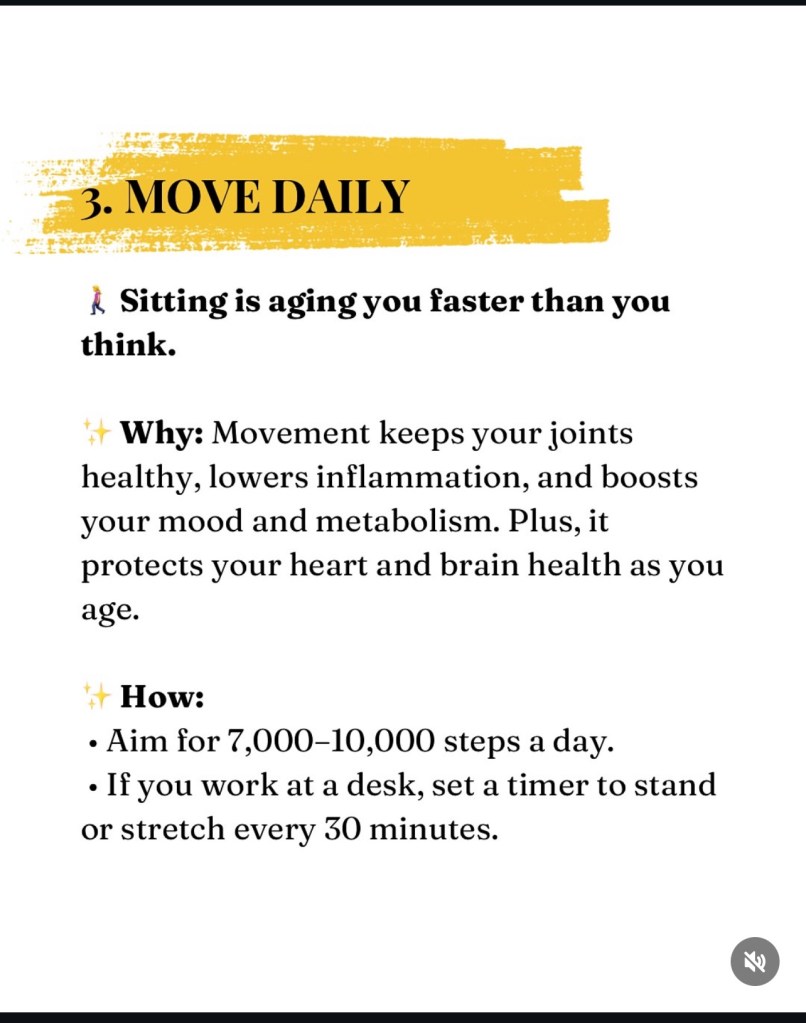
    In a bid to encourage better mental health, we are encouraging MIGRANT parents to participate in the 10k steps a day challenge. You can add this up through jogging, skipping etc. As parents the struggles of raising children in diaspora can impact greatly on your overall well being.

    For those of us who are migrants, the challenges with our mental health is even greater. The stresses of travel and living in a different culture and society cannot be under estimated. World Health Organisation advocates for good mental well being for migrants and refugees, WHO.

    Walking as a form of exercise is well researched to aid good mental wellness. We have chosen walking as its low impact and we want to incorporate meditation into that walking space. More details on the benefits of walking are here

    We are keen to hear and engage fathers, migrant men on this challenge.How are they coping with stresses of living abroad? Please do invite the male figures in your life. For ideas/ comments/ suggestions do get in touch here

    Campaign Objective:

    To promote mental wellness among migrants through daily walking, peer connection, and storytelling, while raising awareness and reducing stigma around migrant mental health issues.

    Target Audience:

    Migrants and refugees in the UK, African and ethnic minority communities, Mental health allies, professionals, and local councils Employers and community organisations.

    Duration:

    1st – 31st May (Mental Health Awareness Month)

    Core Activities:

    Daily Walking Challenge: Participants aim to walk at least 5,000–10,000 steps a day. You can track and share progress via our Strava community or WhatsApp group using the hashtag #MilesForMinds.

    You can join the walking challenge from anywhere. We encourage you to find times that suit you and share your step count with us for motivation and encouragement on strava . You can also join our Facebook page if you prefer.

    On the last Saturday of the month which is 30th, weather permitting we are meeting in Buckinghamshire to celebrate our wins! More details to be shared on Strava.

    2- Meditation Journal

    Yes we have taken to journaling this month as well as part of mental health first aid. For those who believe in the power of God’s word, this is a resource for you. Click here to download the 31day journal that we will be using throughout this month.

    The journal is there to prompt you to take 5mins and jot down how the day went for you. Please use this as part of self care. It’s key to CREATE that 5mins to write down how your day has been.

    We want to demonstrate to our children how we take care of ourselves and that we take mental wellness seriously. Identifying and naming your feelings and emotions is paramount in taking care of your mental health.

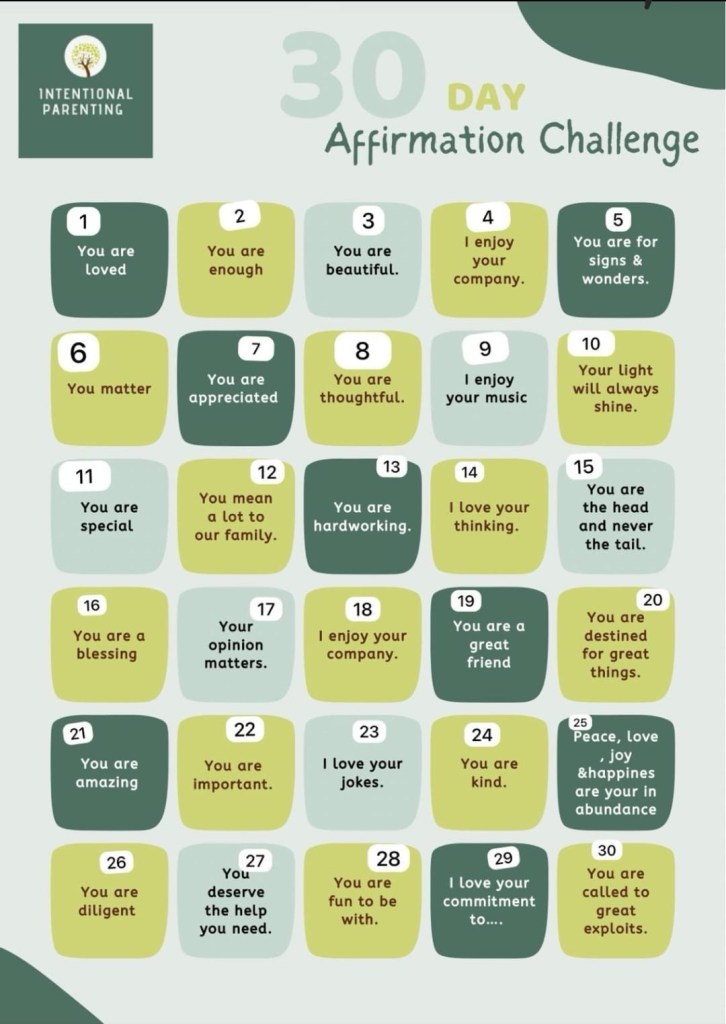
    Affirmations

    Others may prefer affirmations to journaling. Feel free to use those above or find an alternative.

    3- MEET UPS

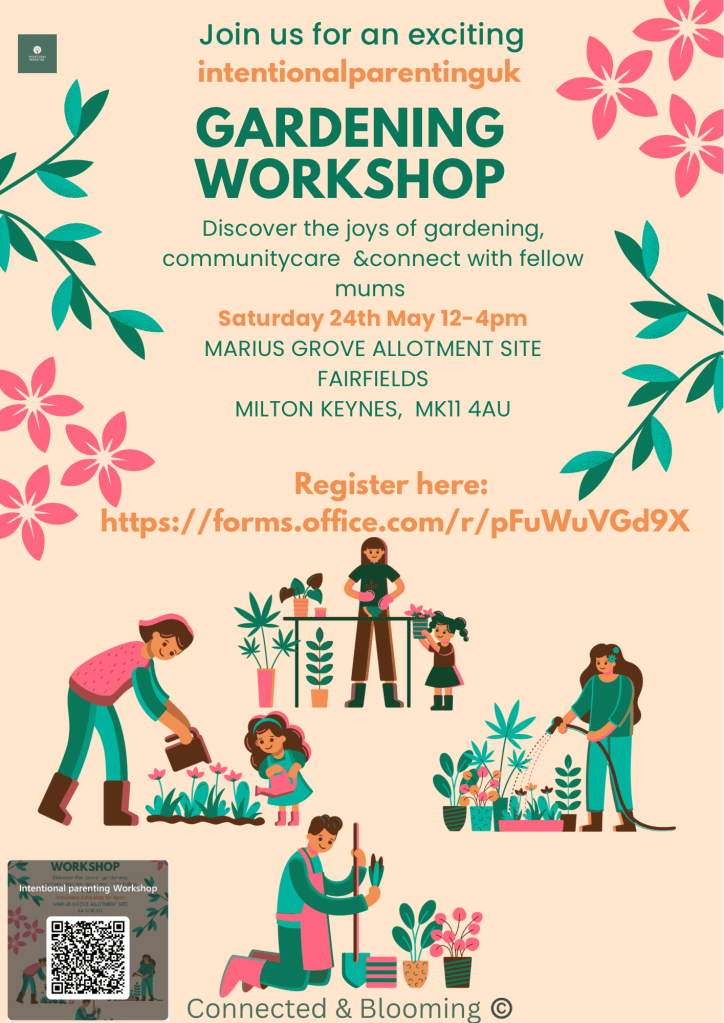
    We are meeting up on the 24th in Milton keynes for a garden workshop. Registration is mandatory and closes on the 15th of May to help with planning. If interested, do register via link or QR code below.

    4- Group walking

    We are going to be using Strava to encourage each other, have a lead board and share some insight. Can’t wait! Please do sign up here and get acquainted to our Strava group ; Miles for Mind.. 😍

    5- Community

    Intentional Parenting UK is home to BOLD and courageous parents. Our 6am community is a place of growing and drawing strength from the giver of all that is good is perfect. We believe in creating SAFE spaces for parents to flourish and that takes intentionality and a willingness to WORK!

    We welcome parents with a heart of service, open minded and who DARE to live unapologetic in their convictions and beliefs. We are not a platform for people who want to watch/ observe or just sit, be prepared to put in the work and this means engaging with other parents contributing to this growing community.

    Check out the rest of our blog on all thing intentional Parenting.

    📌This year promises to be amazing. Do express interest here and will send you the strava link as well to join the walking community.

    Do follow us on facebook and instagram

    Every blessing

    Fadzi x

  • Safeguarding your children as a parent

    Understanding Safeguarding

    Safeguarding refers to the measures taken to protect children from abuse, neglect, exploitation, and harm. It involves promoting their welfare, ensuring they grow up in a safe environment, and taking action when there are concerns about their safety.

    Our founder and director Fadzai is a safeguarding consultant with extensive experience working at senior level in health and social care covering both public and private sector organisations. Full detail on her linkdn

    Key Safeguarding Responsibilities for Parents

    1. Recognising Signs of Abuse and Neglect

    Parents should be aware of potential signs of harm, which can include:

    • Physical abuse: Unexplained bruises, burns, or fractures.

    • Emotional abuse: Low self-esteem, withdrawal, or fearfulness.

    • Sexual abuse: Inappropriate sexual knowledge, fear of a certain person, or secrecy. This includes sexting, where young people send inappropriate images to each other.

    • Neglect: Poor hygiene, malnutrition, or lack of supervision, medical neglect.

    If you suspect abuse, contact your local safeguarding team, GP, school, or social services. You can also call the NSPCC (0808 800 5000) or Childline (0800 1111) for guidance.

    2. Online Safety Measures

    With increasing screen time, safeguarding children online is essential:

    • Use parental controls on devices and apps.

    • Monitor social media activity and set boundaries.

    • Teach children about online dangers, including cyberbullying and grooming.

    • Encourage open discussions so they feel safe reporting concerns.

    3. Supervision and Safe Environments

    • Always know your child’s whereabouts and who they are with.

    • Ensure they have a trusted adult to confide in.

    • Teach them about “stranger danger” while balancing the need to be polite.

    • Ensure babysitters, nannies, or carers are DBS-checked and reputable.

    4. Mental Health and Emotional Well-being

    Children’s mental well-being is just as important as physical health. Look out for:

    • Sudden changes in mood or behaviour.

    • Anxiety, depression, or withdrawal from activities.

    • Self-harm or talk of hopelessness.

    Encourage open conversations and seek professional support through your GP, school counsellors, CAMHS (Child and Adolescent Mental Health Services), or charities like YoungMinds.

    5. Health and Medical Safeguarding

    • Keep up with childhood immunisations.

    • Store medications safely out of children’s reach.

    • Teach basic first aid and when to call 999 in emergencies.

    • Encourage a healthy lifestyle with balanced nutrition and exercise.

    6. Safeguarding in Schools and Activities

    • Ensure schools have strong safeguarding policies and designated safeguarding leads (DSLs).

    • Check that clubs, sports teams, and extracurricular activities follow child protection policies.

    • Encourage children to report bullying or any uncomfortable experiences.

    What to Do If You Have Concerns

    If you suspect a child is at risk, take immediate action:

    1. Report concerns to the school’s DSL, GP, or local safeguarding team.

    2. Contact social services or the police (101 for non-emergency, 999 for urgent danger).

    3. Use national helplines like NSPCC, Barnardo’s, or the Local Safeguarding Children Partnerships (LSCPs)

    Final Thoughts

    Safeguarding is a shared responsibility among parents, caregivers, professionals, and the wider community. By staying informed, creating open conversations, and knowing where to seek help, you can play a vital role in keeping your child safe and supported.

    For further advice, visit:

    • NSPCC: www.nspcc.org.uk

    • Childline: www.childline.org.uk

    • UK Government Safeguarding Guidance: www.gov.uk

    If you need specific advice, advocacy, safeguarding concerns or challenges, feel free to ask. Get in touch with Fadzai here

    Remain intentional

    Fadzai x

  • Loving your children

    As a working migrant community, creating time to bond with your children is very important.

    Our children are competing for our attention with Shifts, black tax, social media, our mobile phones parental fatigue and stress. So what can we do?

    Below are 5 tips that I have used myself and many other parents I work with , with positive results.

    1. Establish a Morning or Evening Ritual

    • Use the time before or after your shifts to bond. For example, have breakfast together or create a bedtime routine like reading a story, talking about the day, or sharing a quick prayer or song. This creates consistency and helps your child feel connected. Eat at the dinner table with no TV on. For those who work long shifts, connect via whatsapp, face time etc. Have a virtual catch up , negotiate your break times so you can connect with your children.

    2. Maximize Your Days Off

    • Dedicate your off days to family-focused activities like visiting parks, museums, or simply cooking and eating together. Plan these activities ahead of time to make the most of them. Involve your child in choosing the activities to build anticipation and excitement. Most National Trust places are very good for spending time as a family. More detail here

    3. Incorporate Quality Moments into Everyday Tasks

    • Turn chores or errands into fun bonding opportunities. For instance, involve your children in meal prep or grocery shopping by assigning them small tasks, like picking ingredients or organizing items at home. Play music while cooking, share your childhood playlist with them and what it was like growing up. Let them share their own playlist as well, who is their favourite artist? You will be killing so many birds with this activity from family history, present culture to understanding each others likes. Enjoy!

    4. Use Technology Thoughtfully

    • If you work long shifts or overnight, use video calls to check in during breaks or before bedtime. Leave a heartfelt message or short video for them to watch when they wake up if you’re not there.

    5. Focus on Active Listening During Limited Time

    • When you’re with your children, give them your full attention. Ask open-ended questions about their day and feelings. Avoid distractions like your phone, so they feel valued and understood. Here at intentional parenting we did a challenge a few years ago where we encouraged parents to leave their phones upstairs the first hour they get home from work. This challenge yielded incredible results. Would you try it?,

    6. It’s very important to extend grace and compassion to yourself as a parent during tough seasons of parenting. May be you are a lone parent, establish a community around you to help. Be clear and communicate your VISION as a parent so your children can understand and marry into it. If you need help to put strategies in place , speak to someone or just get some advice , get in touch with Fadzai

    Balancing work and parenting is challenging, but intentional efforts can help you stay close to your children and nurture their emotional well-being.

    What else can you add to this?

    Every blessing

    Fadzai x

  • Safeguarding and parenting

    https://www.bbc.com/news/uk-england-nottinghamshire-61248055

    As parents we need to be assured that these clubs and places that our children spend time are safe.

    How are you making sure that your child/ ren are in safe hands when you are not there??

    I do appreciate we cannot be everywhere as parents but we can take steps to make sure that our children are reasonably safe.

    📍Community groups/ clubs etc can be exploitated by unscrupulous people.

    🌻In our upcoming webinars in June, we explore the role of parents in safeguarding children.

    🌱Be sure to join in June

  • The woman in me

    Woke up today feeling rather exhausted. It’s been a month since I started my new job. Reality has since set in and I have found myself busier than anticipated. That certainly has had a knock on effect on my mental and emotional health.  The English weather and the commute has not helped. The train commute isn’t bad, it’s the driving through packed, smokey and hot London tarmac roads that does my head in. For sanity’s sake I will not mention the parking.

    The weather tops it all for me. The need to be comfortable and practical is a must. However, the English weather remains unpredictable. You never know when it is going to rain or whether the sunny spell will last the 12hours whilst you are at work. It is hard. One has to think about what to wear and how that can adapt to the weather too. It’s a problem I had anticipated hence I chose a uniform. If you have read my previous blog on the day before the new job, I bought some lovely, comfortable navy blue slacks to wear with plain white t shirts and pumps. Well, today I decided otherwise as it was going to be warm. Besides, my daughter had decided to wear my t-shirts at home 🤣. 

    Feeling rather unmotivated and wanting to get into the office early for a busy day ahead, I just grabbed the clean and cotton dress that I could find. It’s the African ankara dress mama got tailor made for me. It fits well and that’s all I needed so I could catch the earlier train. Thankfully, I made it after sprinting a good 5mins! The joys of commuting, I keep telling myself, you are getting fit girl!🏃🏽‍♀️🏃🏽‍♀️

    Anyway, I walk into work and I get lots of compliments on this particular dress. I get lots of nods and smiles from ‘sisters’ with a look of approval. It dawns on me that the dress is making a statement that I had not perceived before. When I walked into the office, colleagues exclaimed how they like my dress. I chuckle to myself and just smile. Comments are made with the British niceness and political correctness that I have become familiar with but still unsettling.

    The dress is addressing my identity and all that I represent. Someone remarked that the dress has made them feel homesick, as I reminded them of where they come from. Amazing how a piece of clothing can conjure so many emotions at all levels. Then there is the senior colleagues I met in the corridors with the look of ‘wow’. That’s me there affirmed! The beauty of working with a very diverse community is that you find your sisterhood.  These are the women who identify with you and what you are all about. These are women who have walked your journey or are on the same path with you.  Your stories, struggles and strength are entwined and become the given. Your journey is easily understood without having to explain yourself.

    Today I didn’t  wake up, wanting to draw attention to myself, I didn’t feel that way at all. However, I’m glad that the day turned out the way it did. For the rest of the day, I had a spring in my step and a conviction in my heart that I will get there. There, for me, is a place of effectiveness and relevance. 

    The dress reminded me that it’s not so bad after all. I am African. I am a strong African woman. The dress allowed me to have small talk with a few more people than before. This dress addresses the woman in me, a woman on a Journey


    That has been the highlight of my day! 

    Hopeful ❤