Men often face various barriers to opening up about their struggles, influenced by cultural, psychological, and social factors.
What tips can we do as parents to support our sons and all the men in our lives to enjoy positive mental wellbeing?
Cultural and Social Norms: Men are often socialized to conform to traditional masculine norms, which emphasize strength, stoicism, and self-reliance. Research indicates that these norms discourage emotional expression and vulnerability. For example, Mahalik et al. (2003) found that men who strongly adhere to traditional masculine norms are less likely to seek help and express emotions, as doing so is seen as a sign of weakness . Practical TIP- In our homes we can encourage fathers to role model seeking help and support from family members. We can learn more about mental health presentations and other things that we do not know. -As parents we need to stay current and updated.
Fear of Stigmatization: There is a significant stigma attached to mental health issues and emotional vulnerability among men. Vogel et al. (2011) demonstrated that men fear being judged or labeled as weak if they disclose their struggles. This fear of stigmatization leads to a reluctance to discuss their problems or seek professional help. Practical Tip- from a young age, normalise boys struggling with their emotions or being frustrated. For example when they have a melt down, try and refrain from ‘mukomana haadaro’ translated ‘boys don’t do that’
Perceived Inadequacy of Emotional Expression: Many men believe they lack the skills to effectively communicate their emotions. Research by Levant et al. (2009) shows that men often feel inadequate in expressing their feelings, partly due to limited emotional vocabulary and the societal expectation to suppress emotions. Practical Tip.. teach all your children on the importance and place of emotion. generally in many African Christian homes, emotions such as anger, sadness, anxiety are not clearly defined but shrouded in religious terms yet we see David in the book of psalms battling these emotions time and time again. Next time you feel anxious about something.. a new job, friendship, interview etc.. vocalise that and demonstrate practical strategies that you are applying to overcome the anxiety eg breathing exercise.. going for a walk, praying, meditation etc.
Concerns About Burdening Others: Men often worry about burdening others with their problems, fearing that opening up might negatively impact their relationships or be seen as a drain on others’ emotional resources. Research by Addis and Mahalik (2003) found that men are less likely to discuss personal issues because they do not want to be perceived as a burden to their friends or family.
Lack of Supportive Environments: Many men do not have access to supportive environments where they feel safe to express their struggles. A study by Courtenay (2000) highlights that men are less likely to find supportive spaces that encourage open emotional expression, as many social settings for men emphasize competition and emotional restraint over mutual support. Practical Tip- Normalise your children see you BUILDING life giving relationships. Talk about nurturing relationships, identify them together and discuss what makes them special. Who are the two people that you count on in our own life?
These factors collectively contribute to why men might struggle to open up about their problems, impacting their mental health and well-being. We can change that narrative and it begins in our homes.
What else can you add?
Found this useful? Let me know in comment section below. If you need to discuss some of this in depth, do get in touch via this link .
What can we do as mothers to support our son’s mental well being?
Maintaining good mental health is essential for overall well-being. Here are seven tips for that mothers can role model to their sons to support and improve their mental health:
Open Up About Your Feelings:
Talking about your feelings isn’t a sign of weakness; it’s a way to take charge of your well-being. Whether it’s with friends, family, or a therapist, sharing your thoughts and emotions can relieve stress and provide new perspectives.
2.Stay Active:
Regular physical activity boosts mood, reduces stress, and improves overall mental health. Aim for at least 30 minutes of exercise most days of the week. Activities like walking, running, or team sports can be particularly beneficial.
3.Maintain a Healthy Diet:
Eating a balanced diet rich in fruits, vegetables, lean proteins, and whole grains can positively impact your mood and energy levels. Avoid excessive sugar, caffeine, and alcohol.
4.Build Strong Relationships:
Investing time in building and maintaining relationships can provide a valuable support network. Social connections are crucial for emotional support and can help combat feelings of isolation. You can join our facebook community here
5.Set Realistic Goals:
Setting achievable goals provides a sense of purpose and accomplishment. Break larger tasks into smaller, manageable steps and celebrate your progress along the way.
6.Practice Mindfulness and Relaxation:
Techniques such as meditation, deep breathing exercises, and yoga can help reduce stress and increase your ability to stay present in the moment. Even a few minutes a day can make a difference.
7.Seek Professional Help When Needed:
If you’re feeling overwhelmed, anxious, or depressed, seeking help from a mental health professional is crucial. Therapists, counselors, and support groups can provide strategies and support to navigate difficult times.
Prioritizing mental health can lead to a more fulfilling and balanced life. Remember, it’s important to address mental health proactively, just as you would physical health.
Hey Fa, you have always wanted to be a mum, haven’t you? Stories are told from school friends that you fantasised so much about this role. Yes, I do remember dating my now husband and telling him the names of our 4children. It still remains a running joke in our house. Two have been enough and I am so grateful for their impact and contribution to who I am today 😍
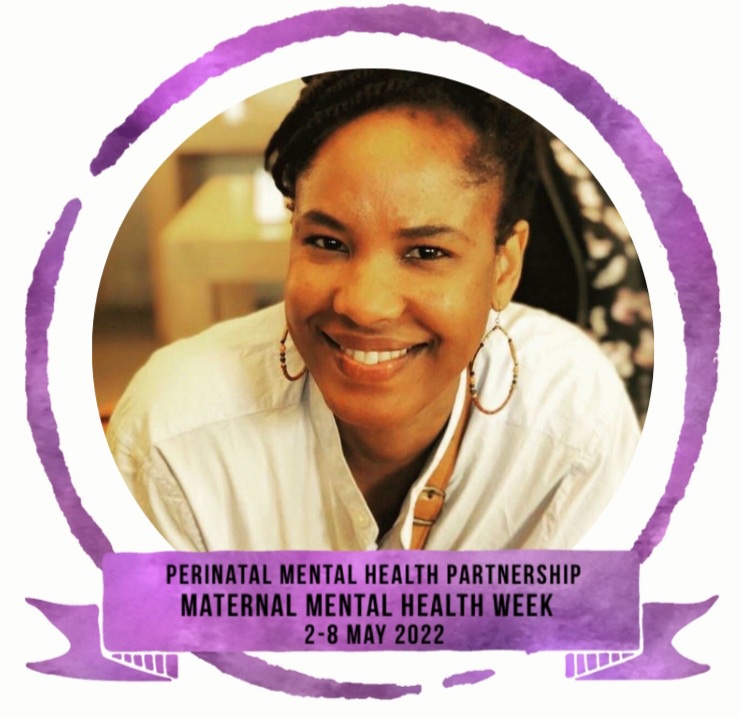
Today as the world celebrates mother’s day I would like to draw your attention to maternal mental health as well. For many of us, our children are indeed bundles of joy. Our pride and joy. Yet, sometimes that experience can be tricky. I am partnering with the Perinatal Mental Health Partnership to share my story here.
What do you do when motherhood sends you spiralling into dark tunnels and difficult roads? We do not openly talk about these experiences enough for a number of reasons. Personally, I think like all things parenting/ motherhood, it’s difficult to make sense of what’s happening when things are taking place. By the time you are finally able to make sense of the drama, it’s time to move on and cover the lost ground. And sometimes, that experience isn’t yours alone to own so it becomes difficult to share other people’s experiences. How can you talk about motherhood/ parenting and leave your child/ ren/ spouse/ partner/ husband out of the equation? Many a times, african parenting experiences will also include wider extended family members because we roll like that, right? What about the shame that comes with struggling in parenting?
Our eldest and only son was born back home in Zimbabwe. Boy, was dearly loved and adored since his quick conception apart from the severe vommitting which lasted forever and I now understand to be hyperemesis gravidarum. You can read more about it here.
During this pregnancy, I was working out of town, commuting every Friday and Monday from the marital home. I hadn’t envisioned how this would take a toil on my mental and emotional well being. On taking maternity leave I went to be with my parents as per our Shona custom of kusungirwa. You can read more about this fascinating practice here
I stayed with my parents from 35weeks of my pregnancy till I gave birth. It was wonderful to be back in the family home and with the community that had known me from birth. I had an uneventful labor, although the midwife was rude (story of another day). My mum took her grandma role seriously with such diligence it was fascinating. I was taken care of, not permitted to do much apart from bathing and breastfeeding. It was bliss. I resigned from my job with the hope of finding something local.
For 6 weeks postpartum, I was ‘fattened’, waited upon and pampered as a new mom by my mum and maternal grandmother. After-all, this was their eldest great grandson. My maternal great grandmother would soon visit and all the 5 generations would gush and give thanks for Gods blessings. That did not stop our son from having colic and being the most unsettled baby in the household. My mom and grandmother used to take turns to cuddle and bhabhu him to sleep which he loved. I remember very well my late grandma laying down to sleep on her tummy with boy was on her back.
Once I returned to the marital home, I couldn’t bath, eat or do anything due to his crying. Because I was waited on for 6weeks, I wasn’t prepared for juggling motherhood and house chores. Social isolation did not help either as we moved into suburbia. My poor husband did not know how best he could help. Things kinda settled when we finally got a nanny, when son was around 3months old. On reflection, I feel I should not have suffered in silence. But how could I? I did not know or understand what was going on. Gripe water did not work and son blatantly refused formula milk.
The feeling of overwhelm and sadness was insidious. I felt lost in all the roles life required of me. This was meant to be exciting, fun and fulfilling yet here I was! Hubby tried. We started going for evening jogs together. Then, it was to shift the postpartum baby weight and sure it did. As the months progressed, we would have lunch dates 3times a week near his workplace. This was to give me something to do, create an opportunity to have a proper shower, dress up and show up at his workplace 😍. I just felt so lost. Family and friends empathised with my struggles. My parents would often comment that I missed work and all the freedom it brought ‘Wanga wajaira mari yako’ translating ‘you miss having your own money and financial independence’. That was very true. I applied everywhere for work and jobs were hard to come by.
A dear friend would invite me for play dates, coffee etc. It worked for a bit. She would have our son and the nanny on valentines just so me and hubby could have couple’s time. It was only a few years later when we met here in UK with this dear friend and we were talking about how much I struggled. It was then and when I was training as a public health nurse that it became clearer that I had suffered from postnatal depression(PND). The good news is though I struggled, I recovered. As the months progressed, it got easier and life became lighter.
There are many reasons why one may suffer postnatal depression. The Very well offer more insight on PND here very well
I am writing this to encourage other moms out there. Motherhood is challenging but there is help and resources available. Do not suffer in silence, there is help available. One of the sad things about untreated/ undiagnosed PND is the moments and time lost to love and enjoy your baby. PND can also place a strain on other relationships especially your marriage as your partner struggles to understand or is needed to step up and support you and the baby.
Friends have since commented that they didn’t know how to help. Family couldn’t understand how and why I would struggle. We ticked all the boxes for a blessed life, yet here I was. I would have loved for people to ask me, ‘are you ok?’
If someone you know is struggling, please ask. At most let them know you are available and willing to be contacted if they need anything. In this age of busyness, many people struggle on their own as they do not want to bother other people. It should not be. Look out for your family and friends. Be a sister’s keeper. Check in on loved ones. A phone call or text doesn’t cost much.
So what can one do if you feel you are struggling as a mum?
📌Talking about your feelings: Talking your feelings through with someone is a start. For most couples talking to your spouse/ partner ideally, should be the first point of call. By talking it through together, it aids the transitioning journey to be in synergy. Sometimes, he may not be the best candidate to talk to, maybe due to work pressures or lack of insight. My husband did the practical bits ( coming home on time to cook and relieve me so I could have a shower). However, he never confronted my emotions and how overwhelmed I felt and looked. He just did not know how to and so were my family and friends. Here in UK, Your GP is a point of call and s/he can signpost you to the necessary services. Midwife and health visitors are also best placed to support you.
📌Treatment: there are a variety of treatment options available. You can explore this with your GP/ health provider.
📌Community/ cultural groups. These groups, if well run, are fantastic for offering a sense of belonging and well being. The challenge from a professional point of view, is that they can be a stumbling block to cultural integration. Some of the groups do not offer parenting courses, support groups etc. The Intentional Parenting Community exists to support African migrant families who sometimes want to talk to someone who understands ‘where you are coming from’. Indeed parenting practices differ globally. Our 6am club is a faith/ prayer club for mums who want a safe place to build relationships, pray and center their day. The club runs term time only, Monday -friday 6am-6:30am GMT via zoom. Anyone is free to join. You can connect via this link. Our webinars are also a great resource to learn, ask questions and be equipped as a parent. More details coming soon for the webinar sessions.
✨Motherhood groups/ networks are key for supporting the journey. Our upcoming luncheon is one such example of mothers coming together to share, laugh, learn, network and support each other. More details here
Would love to hear if any of this resonated with you. Please do share widely with your networks.
Yay, it’s school half term here in U.K, and we are all home. I had a lie in until I was woken up to a hearty breakfast by our son. Our two children are now 17 and 12, with the our eldest son nearly an adult.
I look at them with joy and pride as they busied themselves around the house. Indeed the Lord has been gracious to us. The journey has not always been easy. Fear, anxiety and worry have played a significant part of our parenting journey. It should not be so! Lack of knowledge and understanding creates fear and unnecessary anxiety.
Our son was born back home in Zimbabwe and was dearly loved and adored since conception. I stayed with my parents from 35weeks pregnant as per shona custom of ‘kusungirwa’. For 6 weeks postpartum, I was ‘fattened’, waited upon and pampered as a new mom by my mum and grandmother as per our Shona custom. That did not stop Q from having colic and being the most unsettled baby in the household. My mom and grandmother used to take turns to cuddle and bhabhu (carry baby on the back with a sling, see pic below 👇🏾) him to sleep which he loved. I remember very well my late grandma laying down to sleep on her tummy with Q on her back.
Once I returned to the marital home, I couldn’t bath, eat or do anything due to Q’s crying. Social isolation did not help as we moved into suburbia. My poor husband did not know how best he could help. Things settled when we finally got a nanny, when Q was around 3months old. I feel I should not have suffered in silence. But how could I? I did not know or understand what was going on. Gripe water did not work and Q blatantly refused formula milk. It took me a while to adjust to being a mom.
The feeling of overwhelm and sadness was intense. I felt lost in all the roles life required of it. Newly married trying the wifey thing, commuting between Harare and Kadoma for work, being pregnant and hubby landing a lucrative role with a non governmental organisation. This was meant to be exciting, fun and fulfilling yet here I was!
Hubby tried. We started going for evening jogs together. Then, it was to shift the baby weight and sure it did. As the months progressed, we would have lunch dates 3times a week near his workplace. This was to give me something to do, create an opportunity to have a proper shower, dress up and show up at his workplace 😍. I just felt so lost.
I remember a dear friend who had a same aged son as mine. She would invite me for play dates, coffee etc. It worked for a bit. She would have Q and the nanny on valentines just so we could have couple’s time. It was only a few years later when we met here in UK and we were talking about this that she recollected how much I struggled.
A few friends I knew back in Zim since commented that they noticed the change and just assumed it was normal to struggle with motherhood! My family remain adamant that it wasn’t as bad as i recollect it!
I am writing this to encourage other moms out there. Motherhood is challenging but there is help and resources available.
📌Talking about your feelings:
Talking your feelings through with someone is a start. For most couples talking to your spouse/ partner ideally, should be the first point of call. By talking it through together, it aids the transitioning journey to be in synergy. Sometimes, he may not be the best candidate to talk to, maybe due to work pressures or lack of insight. My husband did the practical bits ( coming home on time to feed the baby, cook and relieve me so I could have a shower). However, he never confronted my emotions and how overwhelmed I felt and looked. He just did not know how to and so were my family and friends. Your GP is a point of call and s/he can signpost you to the necessary services.
📌Parenting courses:
Attending parenting courses educates and empowers you for the role. I totally agree, to the notion that parenting classes should be made inclusive for transition into parenthood (Independent news, 2016).
Parenting courses are offered for different stages of parenting; pre birth, 0-5years, Teenage years etc. Most social services across UK offer parenting classes for different age groups.
Some voluntary organisations, such as charities and churches also do offer parenting classes. Ask your local church if they do. From work experience, BME women do not access these courses as they do not find them valuable or they do not relate/ appreciate the experiences of mainstream caucasian women. It will be interesting to note evidence on the outcomes of those children in developmental skills at school entry level.
📌Children services
Attending and accessing help via children centres, health visitors, church organisations and social care is equally important. This does not only help with combatting isolation but building a social network. Relationships are beneficial in life, for personal development and growth.
Social services tends to be seen in a negative light but they do work for the welfare of all children and families. If you find yourself in a vulnerable situation: no money, no papers and in a volatile relationship, they can assist, under Children in need.
📌Community/ cultural groups.
These groups, if well run, are fantastic for offering a sense of belonging and well being. The challenge from a professional point of view, is that they can be a stumbling block to cultural integration. Some of the groups do not offer parenting courses, support groups etc.
The Intentional Parenting Community link exists to support African migrant families who sometimes want to talk to someone who understands ‘where you are coming from’. Indeed parenting practices differ globally.
Our 6am club is a faith/ prayer club for mums who want a safe place to build relationships, pray and center their day. The club runs term time only, Monday -friday 6am-6:30am GMT via zoom. Anyone is free to join. You can connect via this link
Our webinars are also a great resource to learn, ask questions and be equipped as a parent. More details coming soon for the webinar sessions.
There is hope ❤
*** Image copied***
Disclaimer: This post is based purely on personal experiences.



 Intentional parenting