Tag: mental health

  • Diaspora diaries: My children and their education-supporting exam time.

    Webinar

    Below are the tips we shared on supporting your children.

    God has called us into a *living* relationship with Him and those around us especially our families, children in particular.

    By investing time, we are able to be effective in supporting their journey into their growth.

    – Loving them despite and beyond the grades is key.

    – Love propels us to invest time in prayer for them.

    – Supporting them with their studies throughout the year is more important than exam day.

    – Speak to their teachers, be involved at school.

    – For most of us, the education system is a whole new experience. Seek to learn from others, ask questions, be open and willing to learn.

    – Let’s be sensitive and empathetic towards other parents who may seem to be struggling at school.

    Here are seven effective strategies:

    1. Create a Study-Friendly Environment

    Why: A quiet, organized space helps concentration and reduces distractions.

    How:

    • Dedicate a specific area for studying, free from noise and clutter.

    • Provide good lighting, comfortable seating, and necessary stationery.

    • Encourage short, focused study sessions using the Pomodoro technique (25 minutes of work, 5 minutes of break).

    2. Establish a Study Routine

    Why: A consistent routine reduces anxiety and builds productive habits.

    How:

    • Work together to create a realistic revision timetable, balancing core subjects and weaker areas.

    • Include regular breaks and time for relaxation to prevent burnout.

    • Monitor progress and adjust the plan if needed.

    3. Manage Phone and Social Media Usage

    Why: Phones and social media can be major distractions during study time.

    How:

    • Agree on “phone-free” study times and use apps like Forest or Focus Booster to block distractions.

    • Designate times for social media use, ideally during breaks or after study sessions.

    • Lead by example by minimizing your own screen time during family hours.

    4. Encourage a Balanced Lifestyle

    Why: Physical activity, sleep, and a healthy diet improve focus and reduce stress.

    How:

    • Promote regular exercise, such as walks, yoga, or sports.

    • Ensure they get 8-9 hours of sleep each night by setting consistent bedtimes.

    • Provide nutritious meals and encourage hydration, avoiding excess caffeine or sugary snacks.

    5. Offer Emotional Support

    Why: GCSEs can be stressful, and children need to feel supported and understood.

    How:

    • Listen to their concerns without judgment and offer reassurance.

    • Avoid comparing them to peers or siblings.

    • Celebrate small achievements to boost their confidence and motivation.

    6. Encourage Active Revision Techniques

    Why: Passive studying is less effective than active learning.

    How:

    • Suggest methods like mind maps, flashcards, practice exams, and teaching concepts to others.

    • Use online resources, such as GCSEPod, BBC Bitesize, or Seneca Learning, to diversify study approaches.

    • Discuss difficult topics together to help them articulate their understanding.

    7. Model a Growth Mindset

    Why: A positive attitude can reduce anxiety and encourage perseverance.

    How:

    • Emphasize effort over results: “It’s about doing your best, not being perfect.”

    • Share examples from your own life where persistence led to improvement.

    • Remind them that setbacks are learning opportunities, not failures.

    Bonus Tip: Stay Involved

    Regularly check in on their progress and well-being without micromanaging. Balance support with independence to build their confidence in managing their responsibilities.
  • Growth

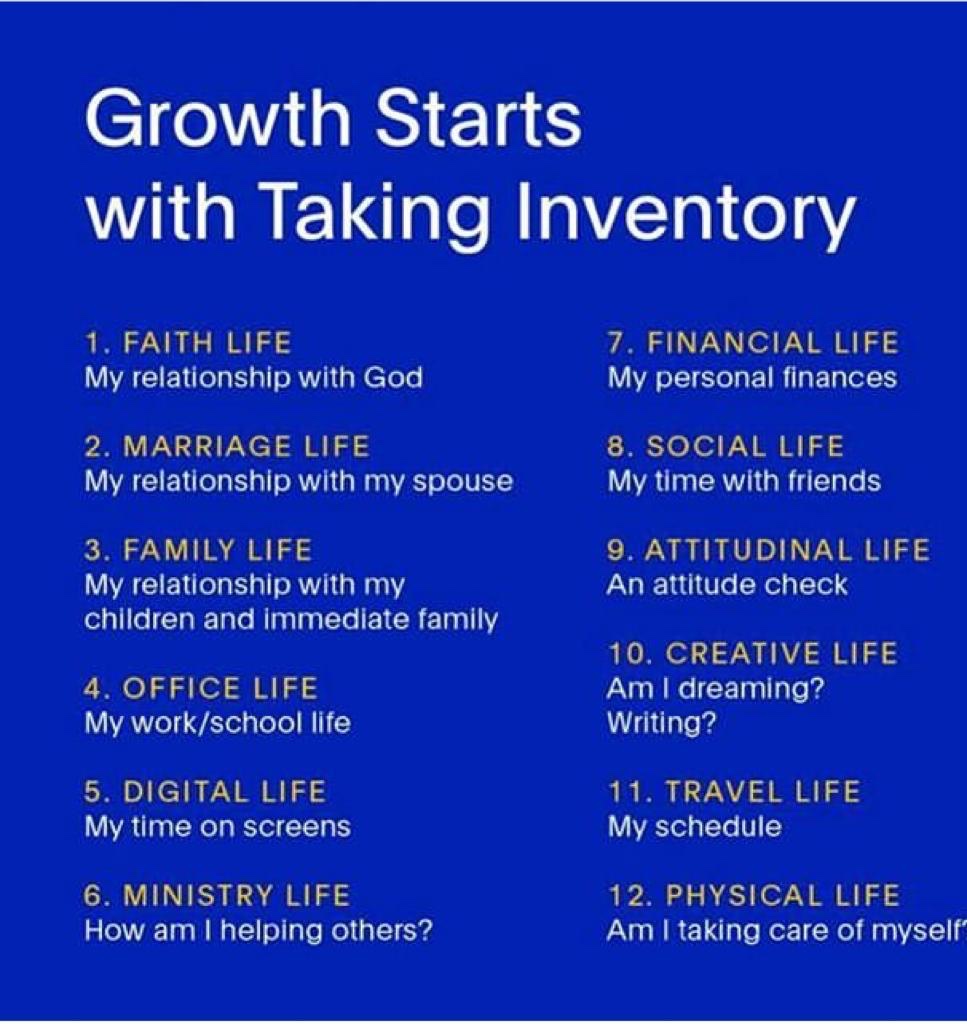
    Just realised that I have a lot of growing up to do 😂

    What about you? Which areas are you currently strengthening? Which ones do you feel/ think you are doing well?

    ✨If you have young adult children, senior teens, use this as a conversation tool. Review those areas together and formulate an action plan. For example:

    💹Financial life… there is lots of apps to use with young people around being financially savvy, eg Natwest money sense.

    📌How is s/he managing social life, screen time? It’s good to measure this with evidence. Screen time usage is readily available on iphone and androids.

    🍀Having a break from the phone/ screen makes room for creativity thereby tackling number 10.

    🤸🏾‍♀️How about physical activity. How do you keep motivated? Do you use the apple/ smart watch to see how many steps you have taken? Do you have a gym/ exercise buddy?

    Let us know if you find this useful or there is smelting you can add.

    With blessings

    Fadzai x

  • Facebook live

    Thank you very much to all those who joined us at 3pm GMT. We were talking the challenges of parenting and Below is a short summary of some of the take-aways from the session.

    ✨Remember in our parenting journey, connection with our children is key. Be available mentally, emotionally and physically.

    ✨Prioritise your children. Let your diary and commitments reflect that. Remember with children love is spelt TIME.

    ✨It’s ok and totally acceptable as an african parent to apologise to your children when you get things wrong.

    🌟Faith community leaders, please have a heart for families. Do not hide under political correctness. Remember ‘what would Jesus do?’ and do just that. Consider the single parent homes with the heart of our Lord Jesus.


    We explored in depth the issue of supporting single parent homes and providing mentorship for vulnerable young men. There were issues around married men/pastors and leaders being fearful of supporting a single mother and worrying about being accused of all sorts of things. I concluded that if the CHURCH does not step in to have an impact on the congregants, someone else will and many a times these are bad guys that we don’t want near our children/ community. If we look at the county lines model; the drug dealer simply befriends and entice our children with gifts and promise of a bright future. We can adopt the same model. If youth pastors/ leaders took the same interest in our children, understand what they like, their fears, vulnerability, I believe we will win SOME of them over.

    We encouraged faith communities to have properly, well structured programs with safeguarding processes in place to offer mentorship programs.

    Jesus was very controversial in most of his relationships, driven by compassion and love for the marginalised as well as vulnerable. Remember the Samaritan woman at well? She had a thing with men yet Jesus risked all that.

    For parents struggling with children, please seek help. Don’t stew at home. There is a lot of help available from local authorities to charities such as Migrant Family Support and Father 2 father

    For more in-depth conversation, listen to link below:

    Remember you are not alone 💕

  • Mums matter

    *First published in April, 2018*

    Mums do matter. A cliche’, yes, it may sound just about that, however, this is today’s theme for peri natal mental health awareness week. The week long campaign serves to raise awareness on this not talked about issue of mental health during and after pregnancy.

    Mental health in certain communities is difficulty to talk about because of misunderstandings and misconceptions of vulnerabilities in people. How can you be sad/overwhelmed, unhappy or depressed when you are carrying or having Gods blessing? Yes, our children are just that, blessings. Sometimes those blessings come with challenges.

    image from @metro

    I remember how excited we were on finding out that we were expecting. Unplanned as it was, we were elated. Soon after, the vomitting commenced and it got worse by the day. By the time we got to second trimester, the plastic bag on my daily commute into work had become my friend. I was literally worn out on daily basis, couldn’t stomach much apart from the TM buns, ham and black tea. I looked forward to the weekend lie ins and not getting out of bed at all.

    To a certain extend, I was fortunate to be at home in Zimbabwe ‘surrounded’ by family even though they did not know how to help or support me. The challenge with mental health is that even the sufferer does not know when to seek help because most of the time one is able to just smile through it.

    So what are some of the symptoms and signs of pre, peri or post natal mental illness? According to charity mind, around one in five women will experience a mental health problem during pregnancy or in the year after giving birth. The charity goes on to highlight that there are a varied reasons as why one may suffer mental illness, mainly

    For us we had a few risk factors such as moving house, long distance commute as I worked in a different city to the marital home. The quick unplanned transitioning into parenthood, employment pressures as well as general ill- preparedness took a toll during pregnancy. We didn’t attend any pre-marital counselling. The ante natal classes that I attended were privately provided by a local Obs gynae and the conversation centred around labor and nothing more. The post natal care was publicly provided at a local baby clinic. This however, centred around baby weight, feeding and vaccines. We pretty much found ourselves reacting to situations and circumstances instead of being proactive.

    When I had our second, the stresses were there as we had moved continents and I was adjusting to being a mature nursing student. Once again the Zimbabwe community of student nurses rallied behind me and supported me through severe morning sickness, tiredness, looking after a pre – schooler and unending assignments. This time I read and learnt a lot from my nursing colleagues as well as during my health visiting placement. I was armed with a lot of information and the experience was much better second time round even though I gave birth during british winter 😁

    Whilst motherhood remains stressful, I haven’t felt the overwhelm and low in mood that I felt in my first pregnancy.

    So what helps with maternal mental health?

    -Talking to someone about your feelings help. Its important to let someone know how tired, exhausted, overwhelmed, struggling or sad you are feeling.

    I personally have found exercising, meditation and prayer key to my mental well being. Long walks in the park or woodland allows me to clear my mind on busy days.

    You don’t need to self diagnose, if your feelings/ emotions tell you something isn’t right, then talk to someone about it.

    As mothers it becomes imperative for us to talk about our mental health with our children so they can learn. The report in the news highlight the worrying increase in children’s mental illness and lack of resources to support this demand.

    Faith in action Charity is doing some work with faith communities about supporting members of the congregation who may need support.

    Prayer, meditation and mindfulness do help as well. Being able to pray with someone can make a huge difference.

    Mind is also a good charity to reach out to.

    GP’s can help with referrals to support services. Talking therapies is a good service where you can self refer into depending where you live.

    Other Public Health services such as midwifery, health visiting, social care and home start are also very good.

    Don’t suffer in silence, here @intentionalmums we offer a listening ear if you are feeling overwhelmed, confused and challenged with motherhood or parenting. Do get in touch here.

    Fathers tend to be left in this equation, yet evidence shows that partners can suffer from mental health too during the peri-natal phase.

    We also work alongside other organisations such as Migrant Family Support who are able to assist with the issues that may be compounding your mental well being such as immigration issues, domestic abuse, housing etc.

    Don’t smile through it. 💕

    Links and resources:

    1- Mind https://www.mind.org.uk/information-support/types-of-mental-health-problems/postnatal-depression-and-perinatal-mental-health/#.XMdbnjBKjIV

    2-Maternal Mental Health Alliance https://maternalmentalhealthalliance.org/

    3- Child and Adolescent Mental Health Services https://www.nhs.uk/using-the-nhs/nhs-services/mental-health-services/child-and-adolescent-mental-health-services-camhs/